
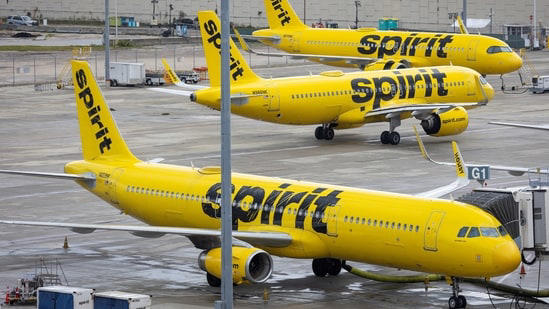
Imagine booking a budget-friendly getaway, only to wake up and find your airline no longer exists. That’s the reality millions of travelers are now facing as Spirit Airlines prepares to halt all operations, marking a dramatic and rare shutdown in the U.S. aviation industry.
Spirit Airlines is expected to officially announce that it will cease all flights as of 3:00 AM Eastern Time on Saturday. If confirmed, this would make it the first major U.S. airline to shut down in nearly 25 years, a move that has sent shockwaves across the travel sector.
The decision comes after mounting financial struggles worsened by skyrocketing jet fuel prices. These rising costs ultimately derailed Spirit’s plans to emerge from its second bankruptcy. Despite last-minute negotiations with the U.S. government for a rescue package, talks fell apart when key creditors refused to agree to the proposed terms. Reports suggest the deal would have handed the government majority control of the airline, an arrangement that didn’t sit well with stakeholders.
Earlier in the day, former President Donald Trump hinted at uncertainty around the bailout, stating that while efforts were made, a viable deal couldn’t be reached. That hesitation appears to have been the final nail in the coffin for the struggling airline.
Millions of Passengers Left Stranded
The shutdown is expected to affect a staggering number of travelers. Spirit had approximately 9,000 flights scheduled for May alone, representing around 1.8 million seats. That translates to nearly 60,000 passengers per day now scrambling to find alternative travel arrangements.
Passengers who booked tickets using credit or debit cards may be able to recover their money through chargebacks. However, those who paid in cash face a more uncertain path because they will now be considered creditors and must wait through the bankruptcy process for potential reimbursement.
For travelers already mid-journey, the situation is even more stressful. They will need to secure last-minute tickets on other airlines, often at significantly higher prices. These “walk-up” fares are typically the most expensive, adding financial strain to an already chaotic situation.
A Blow to Employees and the Industry
The shutdown doesn’t just impact passengers, it also affects around 17,000 employees who are now facing sudden job losses. In a heartbreaking message, the Association of Flight Attendants informed its members of the airline’s closure, calling it one of the hardest announcements they’ve ever had to deliver.
Spirit’s exit from the market is also expected to have ripple effects across the entire airline industry. Known for its ultra-low-cost model, Spirit played a key role in keeping fares competitive. By offering bare-bones ticket prices and charging extra for add-ons like carry-on bags, the airline forced competitors to introduce similar “basic economy” options.
With Spirit accounting for roughly 2% of domestic U.S. flights, its absence is likely to push ticket prices higher across the board, especially during peak travel seasons.
Rising Fuel Costs: The Final Blow
While Spirit has struggled financially for years, particularly after the COVID-19 pandemic, the recent surge in jet fuel prices proved too much to overcome. Fuel costs have nearly doubled since the onset of geopolitical tensions involving Iran, making it increasingly difficult for airlines to maintain profitability.
Unlike larger carriers, Spirit had limited flexibility to raise fares due to its reliance on budget-conscious travelers. This left the airline vulnerable in a highly competitive market where costs were rising faster than revenue.
A Rare Industry Shutdown
Bankruptcies are not uncommon in the airline world, but complete shutdowns are rare. In many cases, struggling airlines are acquired by stronger competitors. However, no such rescue came through for Spirit.
Its closure would mark the first major U.S. airline shutdown since Midway Airlines ceased operations following the September 11, 2001 attacks. Over time, the industry has become increasingly consolidated, with four major carriers now controlling about 80% of the market.
What Happens Next?
As the situation unfolds, travelers are advised to act quickly, check alternative flights, contact banks for refunds, and stay updated on official announcements. While the airline’s website was still operational at the time of reporting, the reality behind the scenes paints a much grimmer picture.
Spirit Airlines’ sudden collapse is a stark reminder of how volatile the aviation industry can be and how quickly things can change for both businesses and passengers alike.