
You scroll through listings, and there it is: “Recently renovated!”
Suddenly, the home looks irresistible. Glossy kitchen cabinets. Sparkling bathrooms. Fresh paint. Stylish lighting. It feels move-in ready, maybe even too good to be true.
Sometimes, it is.
“Recently renovated” can mean a thoughtful, high-quality transformation. But it can also mean someone spent a weekend painting walls, changing drawer handles, and calling it a renovation.
Before you fall in love with a listing, learn to read between the lines.
“Renovated” Is Not Always Renovated
In real estate, words can be polished. Photos can be flattering. And “renovated” can hide a very wide range of work.
It might mean:
- A complete overhaul of plumbing, wiring, roofing, insulation, and major systems.
- A beautifully redesigned kitchen and bathrooms.
- New flooring, paint, fixtures, and cosmetic upgrades.
- Or simply a quick facelift designed to make an aging home photograph well.
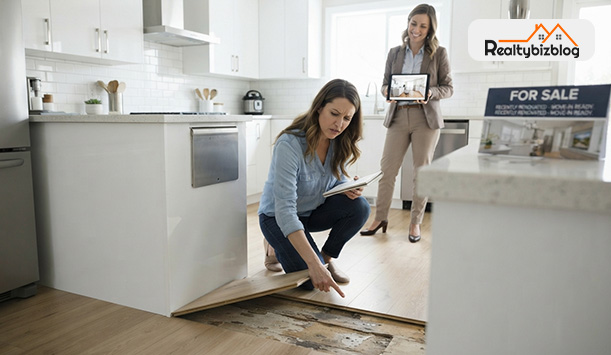
The problem? A fresh coat of paint can cover a water stain. New flooring can hide an uneven subfloor. A trendy backsplash cannot fix outdated wiring.
A true renovation improves more than how a home looks. It improves how it lives, performs, and lasts.
What a Real Renovation Should Mean
When a listing says “recently renovated,” it should come with details, not just adjectives.
Ask: What exactly was renovated?
A strong answer sounds like this:
- “The kitchen was fully remodeled in 2024, including new cabinets, countertops, appliances, plumbing fixtures, and electrical outlets.”
- “The roof was replaced in 2023, with a transferable warranty.”
- “The electrical panel was upgraded and permits were obtained.”
- “The bathrooms were renovated with new waterproofing, ventilation, plumbing, and fixtures.”
A weak answer sounds like this:
- “It has been updated throughout.”
- “It looks brand new.”
- “The owner did some work recently.”
- “You’ll love the finishes.”
Vague language is not always dishonest, but it should make you curious. The more expensive the property, the more specific the answers should be.
Look Beyond the Pretty Parts
Kitchens and bathrooms sell homes. Roofs, wiring, plumbing, insulation and drainage protect them.
The most valuable renovations are often the ones you cannot see in a listing photo:
- A new roof that keeps water out.
- Updated electrical wiring that supports modern living.
- Repiped plumbing that prevents leaks and low water pressure.
- Proper insulation that lowers energy bills.
- Effective ventilation that prevents mold and moisture.
- Quality windows that improve comfort and noise control.
- A dry, well-drained basement or foundation.
A home with a gorgeous kitchen but an aging roof may look move-in ready. It may also be one storm away from an expensive surprise.
The Questions That Reveal the Truth
Bring this checklist to every viewing or send it to the listing agent before you visit.
- What was renovated, exactly? Get a room-by-room and system-by-system list.
- When was the work completed? “Recently” should have a date.
- Who completed the work? Ask for contractor names, licenses, and invoices.
- Were permits required and pulled? Major electrical, plumbing, structural, and exterior work often requires them.
- What was replaced versus repaired? There is a big difference between replacing a faucet and rebuilding a bathroom.
- Are warranties transferable? Roofing, windows, appliances, and major systems may include coverage.
- Can I see receipts, permits and before-and-after photos? Documentation builds confidence.
- Have there been leaks, foundation issues, pests, or insurance claims? Ask directly, then verify through inspection.
A seller with nothing to hide will usually welcome these questions.
Warning Signs Hiding in Plain Sight
Not every warning sign is obvious. Some are hiding behind a fresh, fashionable finish.
Watch for:
- New paint in only certain areas, especially near ceilings, corners, or baseboards.
- Flooring that looks new but feels uneven, soft, or squeaky.
- A renovated bathroom with poor ventilation or signs of moisture.
- Beautiful cabinets paired with an old electrical panel or rusty plumbing.
- “Renovated” with no invoices, permits, dates, or contractor information.
- Photos that show stunning interiors but avoid the roof, basement, utility room, and exterior.
A home can look modern on Instagram and still have problems that do not show up until after closing.
Don’t Pay for Paint, Pay for Value
Here is the smartest way to think about it:
Cosmetic updates improve the look. Real renovations improve the life of the home.
A new kitchen may make you smile every morning. A new roof, updated wiring, dry basement, and efficient heating system may save you from financial stress later.
When comparing homes, do not just ask, “Which one looks more renovated?”
Ask:
- Which one has fewer hidden problems?
- Which one has documentation for the work?
- Which one will cost less to maintain over the next five years?
- Which one gives me confidence, not just a beautiful first impression?
Final Thoughts
“Recently renovated” should mean more than new paint and pretty fixtures. It should mean quality work, proper permits, documented upgrades, and improvements that make the home safer, stronger, and easier to live in.
Before you make an offer, look past the staging. Ask precise questions. Request proof. Get an independent inspection.
Because the best renovated home is not the one that looks perfect in photos.
It is the one that performs perfectly when you live in it.
Have Something Interesting to Share About Real Estate?
RealtyBizBlog welcomes Real Estate Guest Posts from writers who want to share fresh perspectives, practical advice and industry knowledge on property trends, real estate investments, buying, selling and more.