
The United States and Iran have exchanged fresh attacks, bringing an apparent end to a temporary lull in fighting and raising concerns that the conflict could escalate further across the Middle East.
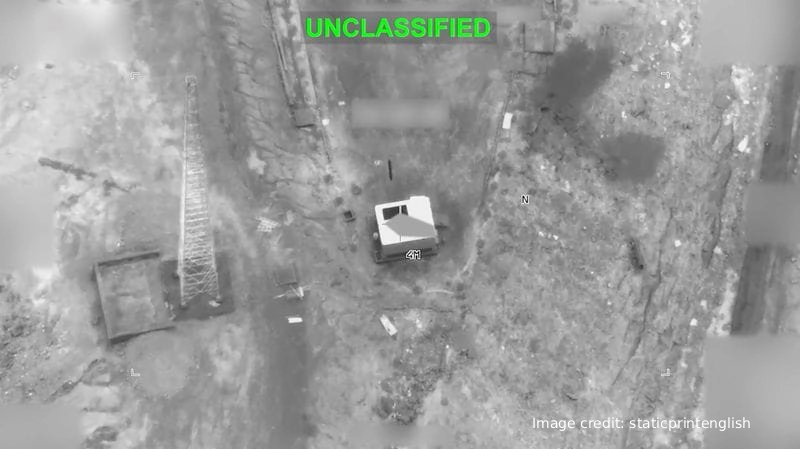
The latest confrontation marks the most significant exchange between the two sides in several weeks. The United States said it carried out a new wave of strikes against targets linked to Iran’s Islamic Revolutionary Guard Corps (IRGC), including air-defense systems, radar installations, maritime assets and communications infrastructure.
Iran responded by saying it had attacked U.S. military targets in Jordan, Iraq and Bahrain. Tehran also claimed that American personnel were killed or wounded, although U.S. officials disputed those claims. Jordan and Bahrain said they intercepted Iranian missiles and drones.
The renewed fighting follows a period of relative calm that had raised hopes that the two countries could avoid a return to large-scale hostilities. Those hopes now appear increasingly uncertain as both Washington and Tehran have issued warnings suggesting that further military action could follow.
The United States has said its strikes were connected to recent Iranian attempts to threaten American forces and commercial shipping around the Strait of Hormuz. The strategic waterway is a major route for global energy supplies, making any prolonged disruption a potential threat to oil markets and international trade.
The latest escalation has already affected financial and energy markets. Oil prices climbed sharply as traders assessed the possibility of disruptions to supplies, while investors moved toward safer assets amid renewed geopolitical uncertainty.
The conflict is also putting pressure on Iran’s economy, which has been weakened by sanctions and disruptions to foreign trade. At the same time, the United States faces questions over military resources and the sustainability of a prolonged campaign.
Diplomatic efforts appear stalled for now, leaving uncertainty over what comes next. With both sides signaling that they are prepared to respond to further attacks, the latest exchange could become another turning point in a conflict that has already created significant humanitarian, economic and geopolitical consequences.
For the region and the wider global economy, the key concern is whether the latest strikes remain limited or develop into another sustained phase of fighting.