
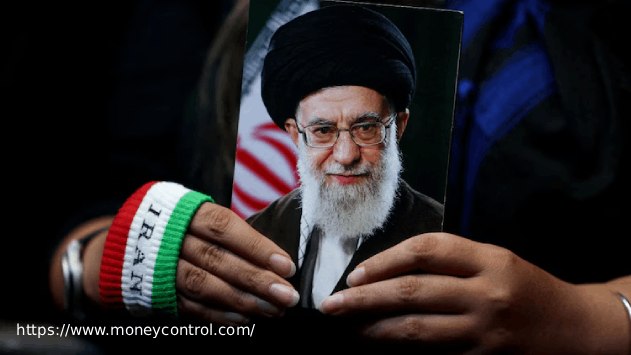
As Iran prepares to bid farewell to its longest-serving Supreme Leader, the nation is bracing for one of the most significant and closely watched funerals in its modern history. With millions of mourners expected to gather over several days, the ceremony honoring Ayatollah Ali Khamenei is set to become not only a religious event but also a major political moment for Iran’s leadership.
Khamenei, who led Iran for nearly four decades, was killed on February 28 during the opening phase of the conflict involving the United States and Israel. His funeral was postponed as the war continued, but with an uneasy ceasefire now in place and diplomatic talks underway, authorities have announced a multi-day procession spanning both Iran and neighboring Iraq.
The ceremonies will begin on Saturday at Tehran’s Grand Mosalla, where Khamenei’s body will lie in state through Sunday. On Monday, thousands are expected to accompany the funeral procession through the streets of Tehran before the body is transported to the holy city of Qom for memorial events on Tuesday.
The journey will then continue across the border to Karbala, Iraq, home to the revered shrine of Imam Hussein, one of the holiest sites in Shiite Islam. The funeral will conclude in Mashhad, where Khamenei will be buried at the Imam Reza shrine, a destination visited by millions of pilgrims every year and the final resting place of several prominent Shiite figures, including former Iranian President Ebrahim Raisi.
Iranian authorities are expected to mobilize government employees, religious institutions, and paramilitary organizations to ensure a massive public turnout. The funeral is widely viewed as a crucial test of support for Iran’s leadership following months of political unrest and the government’s crackdown on nationwide protests.
Security officials also face another challenge, preventing deadly crowd disasters. Memories remain fresh of the 1989 funeral of Ayatollah Ruhollah Khomeini, where overwhelming crowds led to chaos that claimed several lives. More recently, a stampede during the funeral of Revolutionary Guard commander Qassem Soleimani in 2020 killed at least 56 people and injured thousands.
Adding to the uncertainty is speculation over whether Iran’s newly appointed Supreme Leader, Ayatollah Mojtaba Khamenei, will appear publicly for the first time during the ceremonies. Believed to have been injured in the same attack that killed his father, he has remained out of public view since assuming leadership.
The funeral also unfolds against the backdrop of fragile negotiations between Iran and the United States. While technical discussions have resumed following an interim agreement reached in June, disagreements over Iran’s nuclear program and the future of the Strait of Hormuz continue to complicate efforts toward a lasting peace.
As Iran enters a week of mourning, the ceremonies are expected to carry significance far beyond honoring a late leader. They will offer the world a glimpse into the country’s political climate, public sentiment, and the direction of its leadership in a period marked by uncertainty and regional tension.