
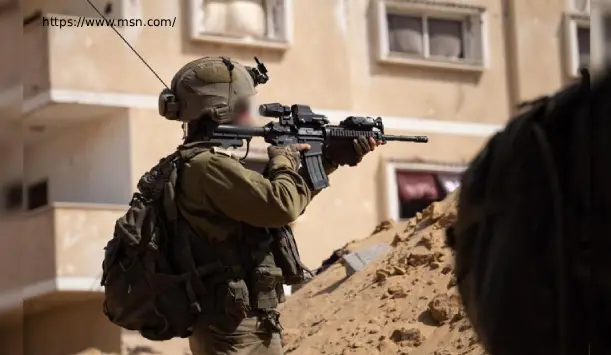
At least 31 people were killed in a wave of Israeli airstrikes across southern and eastern Lebanon, marking one of the deadliest days since the ceasefire agreement reached in April. Lebanese authorities said the attacks targeted multiple areas believed to be linked to Hezbollah infrastructure, significantly escalating tensions along the border.
According to Lebanon’s Health Ministry, the strikes hit several towns in southern Lebanon and parts of the Bekaa Valley, injuring dozens more. Rescue teams continued searching damaged buildings for survivors, while hospitals in affected regions struggled to manage the rising number of casualties. Officials warned the death toll could increase as recovery operations continue.
The Israeli military said the attacks were aimed at Hezbollah positions after intelligence reports indicated militant activity and preparations for possible cross-border operations. Israeli officials claimed the strikes focused on weapons storage sites, command centers, and logistical facilities used by the Iran-backed armed group. The military maintained that the operation was necessary to prevent security threats near Israel’s northern border.
Lebanese officials strongly condemned the attacks, calling them a serious violation of the April ceasefire agreement that had largely reduced violence in recent months. Government representatives accused Israel of escalating instability in the region and urged the international community to intervene to prevent a broader conflict.
Hezbollah has yet to issue a full response, though regional observers fear the latest violence could trigger retaliatory attacks, potentially pushing both sides toward renewed confrontation. Tensions along the Israel-Lebanon border have remained fragile despite diplomatic efforts to maintain calm after months of conflict earlier this year.
International leaders, including representatives from the United Nations, expressed concern over the sudden escalation and called for restraint from all parties. UN peacekeeping officials stationed in southern Lebanon reportedly increased monitoring efforts amid fears of further military activity.
The latest strikes come as broader instability continues to affect the Middle East, with ongoing U.S.-Iran negotiations and regional security concerns adding pressure to an already volatile environment.
Analysts warn that unless diplomatic channels are strengthened quickly, the current escalation could threaten the fragile ceasefire and reignite wider conflict between Israel and Hezbollah, with significant humanitarian consequences for civilians on both sides of the border.